

A Memorial Day Weekend Field Report
“Black Chicago spent three days dancing for money and one day sitting down to eat, and the weekend’s real shape was the contrast.”
By the time the third dish landed on the table, nobody was checking their phone. That's how you know the room worked, not by the crowd size, not by the cover, but by the specific moment a room full of people from different countries stops performing and starts eating.
This was Monday, May 25th, at Taste of the Diaspora. The weekend cost most people somewhere between two hundred and four hundred dollars across three days of cover charges, drinks, and tickets. Monday cost us a casserole dish.
That contrast is what this piece is about. A read on what all of it, taken together, said about the shape of Black Chicago's cultural economy in May 2026.
I — The Weekend's Twelve Rooms
We counted nine. Then we counted again and got twelve. We were in three of them firsthand — Brûlée on Friday for BAD: Brunch After Dark, Groovin' for Good on Saturday behind the decks, and NoLaces Radio's Taste of the Diaspora on Monday. The rest of this is reported, named, and documented because nothing else in Chicago's media landscape was doing it.
Wednesday: Renaissance Bronzeville opened the corridor. DJ Rymzy on King Drive, Afrobeats and Amapiano rotating through a South Side room that doesn't get the coverage it's earned.
Thursday: the Wells Street sequence. Rhythm & Booze at Etc. Social from four to eight, grown R&B, happy hour under ten dollars, DJ Q-Hefner holding the room. Friday Jr. at Ace Lounge from nine to two — Peter Cottontale, Lovetko, Such N Such, bottle service, six blocks up the same street. Happy hour to late night. One demographic, one corridor, a complete Thursday.
Friday: Into the Gbeduverse at Icon Bar, CuratedByFrags opened the weekend with Peak energy and a hypeman. Afrobeats Fridayz at Masada ran its weekly anchor on schedule.
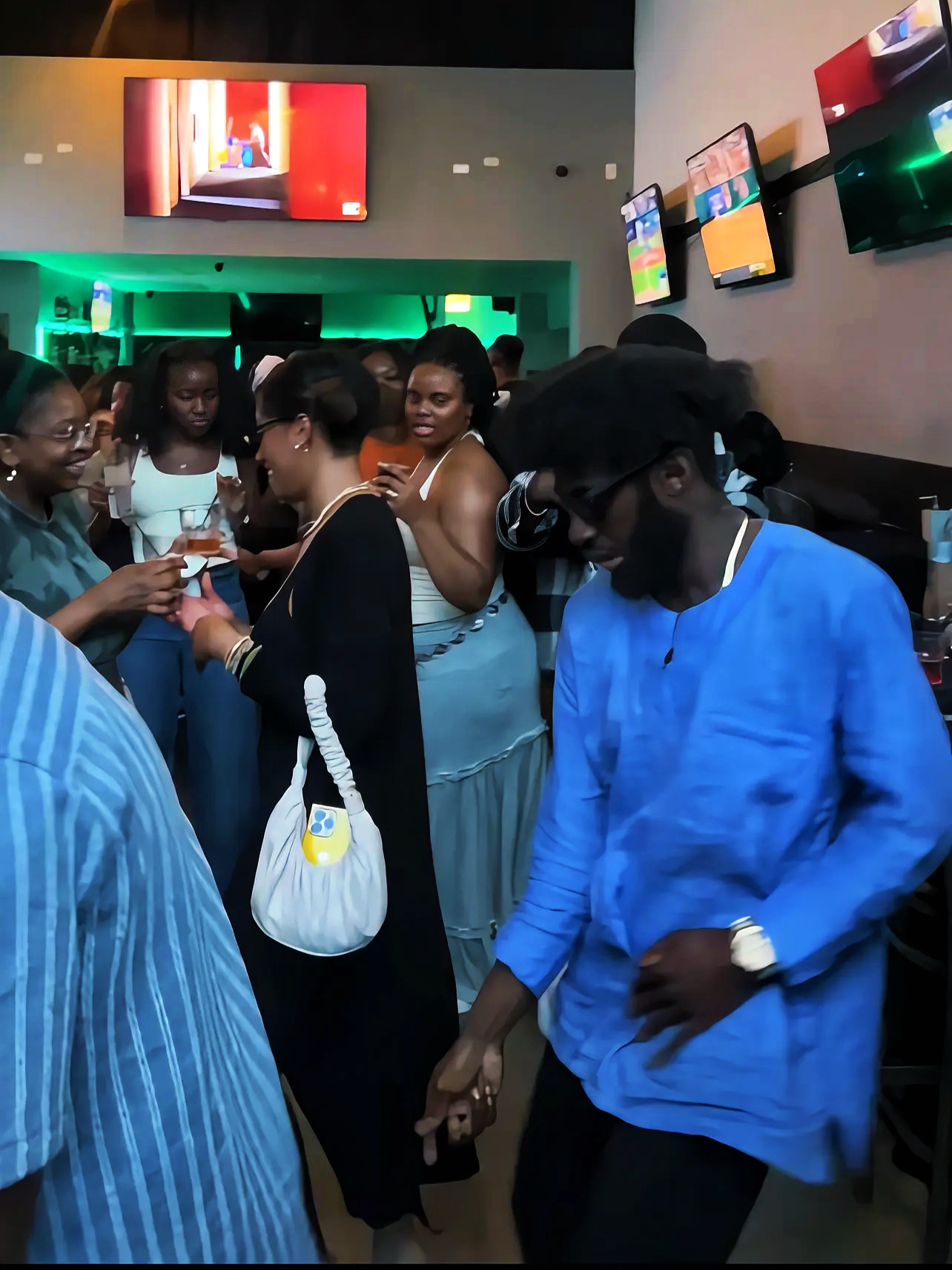
Groovin’ for Good | Ubuntu Health Foundation
Groovin' for Good ran 4 to 9 PM on South Michigan, three selectors raising money for Ubuntu Health Foundation in South Africa.
Saturday: Forever Mine Day 1 at Union Park ran from noon to ten with Keyshia Cole and Kelly Rowland on the main stage and the Chicago house elders — Terry Hunter, Lady D, DJ Slugo, John Simmons — on the Warehouse stage. Groovin' for Good ran 4 to 9 PM on South Michigan, three selectors raising money for Ubuntu Health Foundation in South Africa. Sounds of SoL ran its soft afternoon with Kompa in the rotation. BLISS Caribbean held the Wild Hare from nine to three, DJ Ringo on Reggae, Dancehall, Soca.
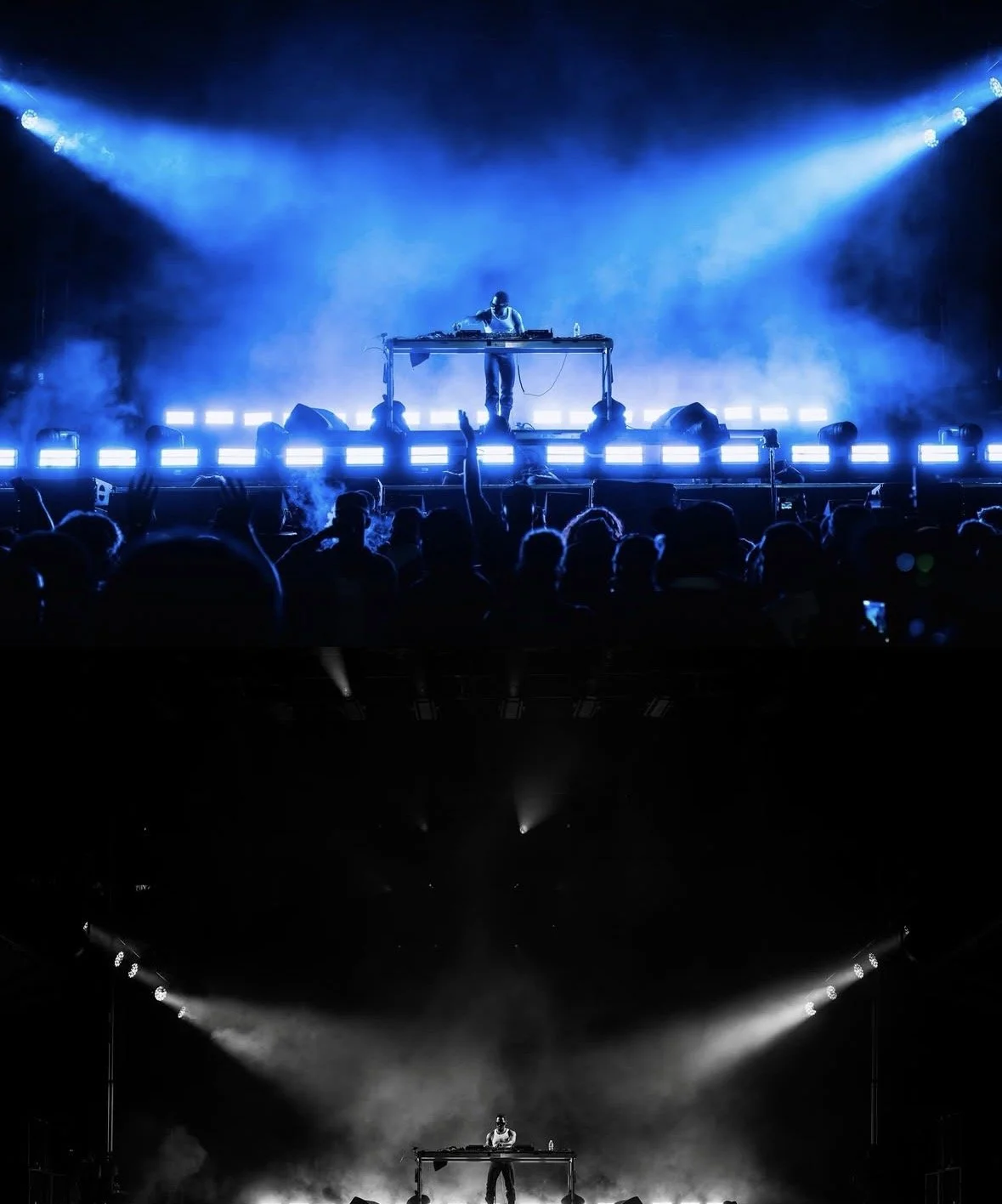
Kaytranada Live Performance
Kaytranada at the Forever Mine Fest shot by @jaydox7 on Instagram.
Sunday: Forever Mine Day 2 brought Kaytranada, Shaggy, Monica, and Mýa to the main stage and Hillery Banks to the Warehouse. The Black Boy Art Show ran 3 to 9 PM at 754 E Grand — 150 Black male artists, 6,000 to 8,000 people, DJs in the room, festival scale in daylight. Carte Blanche opened the Azul rooftop at noon with Frags and Mattymontana and Ile Faajii in the kitchen. Elevate Social closed the night at VU Rooftop with Hillery Banks again, Gemini Gilly, Adonia, Sukigeez, Simmy.
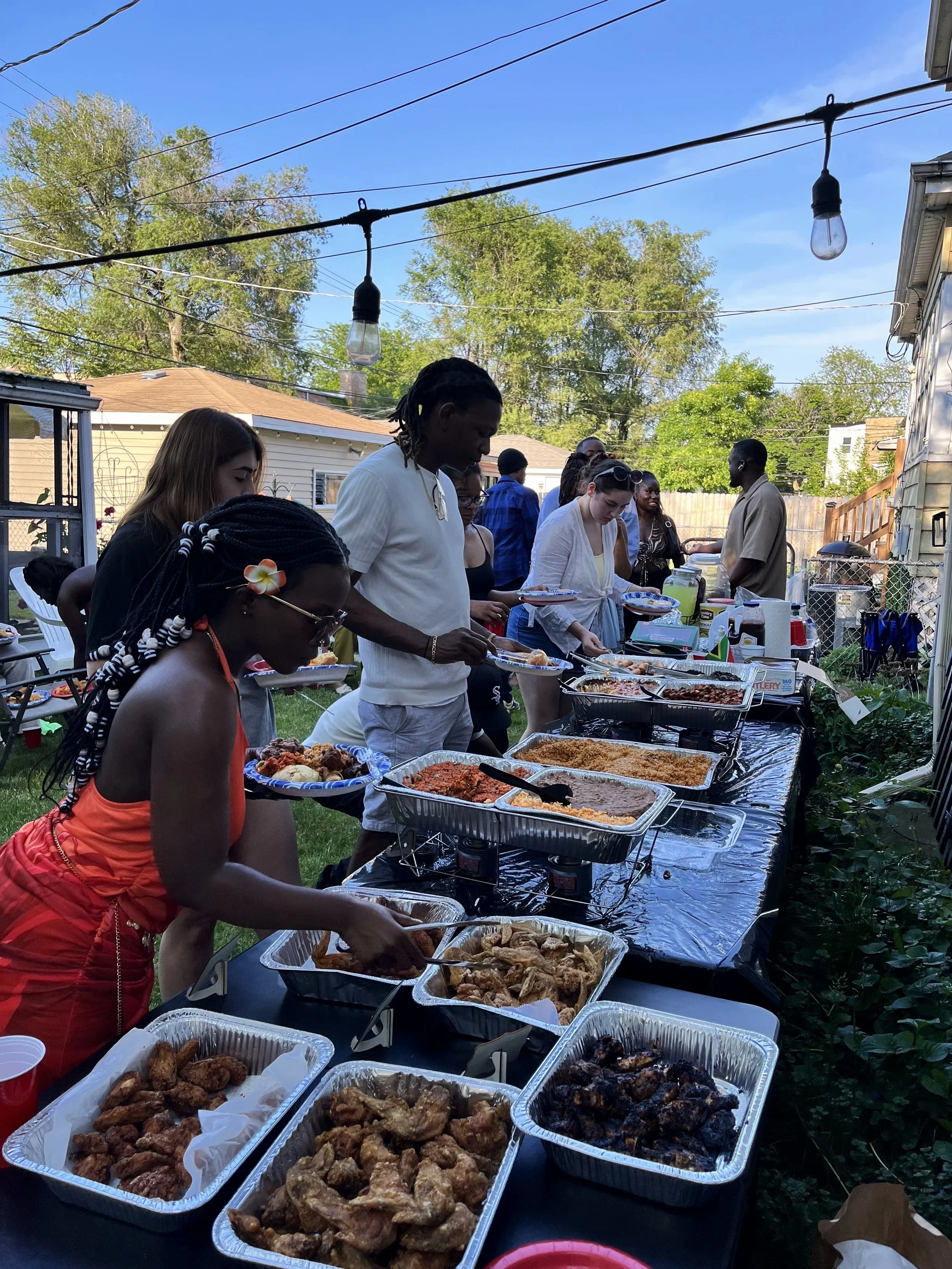
Taste of the Diaspora - NoLaces Radio
Monday: Taste of the Diaspora. NoLaces Radio. Two to eight PM. Communal table, food from everywhere, music from the Return phase. The weekend's last room — and the only one where nobody was selling anything.
Twelve rooms. Six days. Three firsthand.
“The point isn’t the list of rooms. The point is what all of them, read together, say about the shape of Black Chicago’s cultural economy in May 2026. That’s the read nobody else filed.”
II — The Forever Mine Reframe
5 Magazine covered it. WTTW covered it. Both framed it as Chicago's new "R&B and house" festival. Neither one named what was actually on that Union Park stage.
Saturday's Warehouse stage carried the Chicago house lineage — Terry Hunter, Lady D, DJ Slugo, John Simmons. House came out of the Black church tradition on the South Side. Frankie Knuckles, Larry Heard, Ron Hardy, and the Warehouse built it in the late seventies and early eighties. Terry Hunter is the literal heir to that lineage. Putting him on a festival stage in Union Park in 2026 is continuity.
Sunday's Main stage carried Shaggy, a Caribbean elder, not a throwback booking. Shaggy on a Chicago stage in 2026 means the Caribbean diaspora is in the room, not as a feature but as a headliner. It also carried Kaytranada, a Haitian-Canadian producer who has spent his entire career sampling and synthesizing Black diaspora music across continents. Putting him next to Monica and Shaggy on the same ticket is a thesis the festival didn't write down.
Sunday's Warehouse stage is where the Chicago selector class held the line — Hillery Banks specifically, whose Sunday we'll return to in a moment.
“They called it R&B and house. We heard the diaspora.”
Forever Mine's first edition didn't market itself as a diaspora festival. The lineup said it anyway. That gap between what a cultural event calls itself and what it actually is and that's the read nobody else filed. That's NoLaces' beat.
III — The Selector Network
The Chicago Afro-diaspora nightlife economy looks much bigger than it is because the same names keep showing up everywhere. That's a tight bench running a city.
Hillery Banks played the Forever Mine Warehouse stage in the afternoon and closed Elevate Social at VU Rooftop the same Sunday night. Festival to rooftop in one day, that's the selector arc of the weekend. Nobody wrote about it as a single story before now.
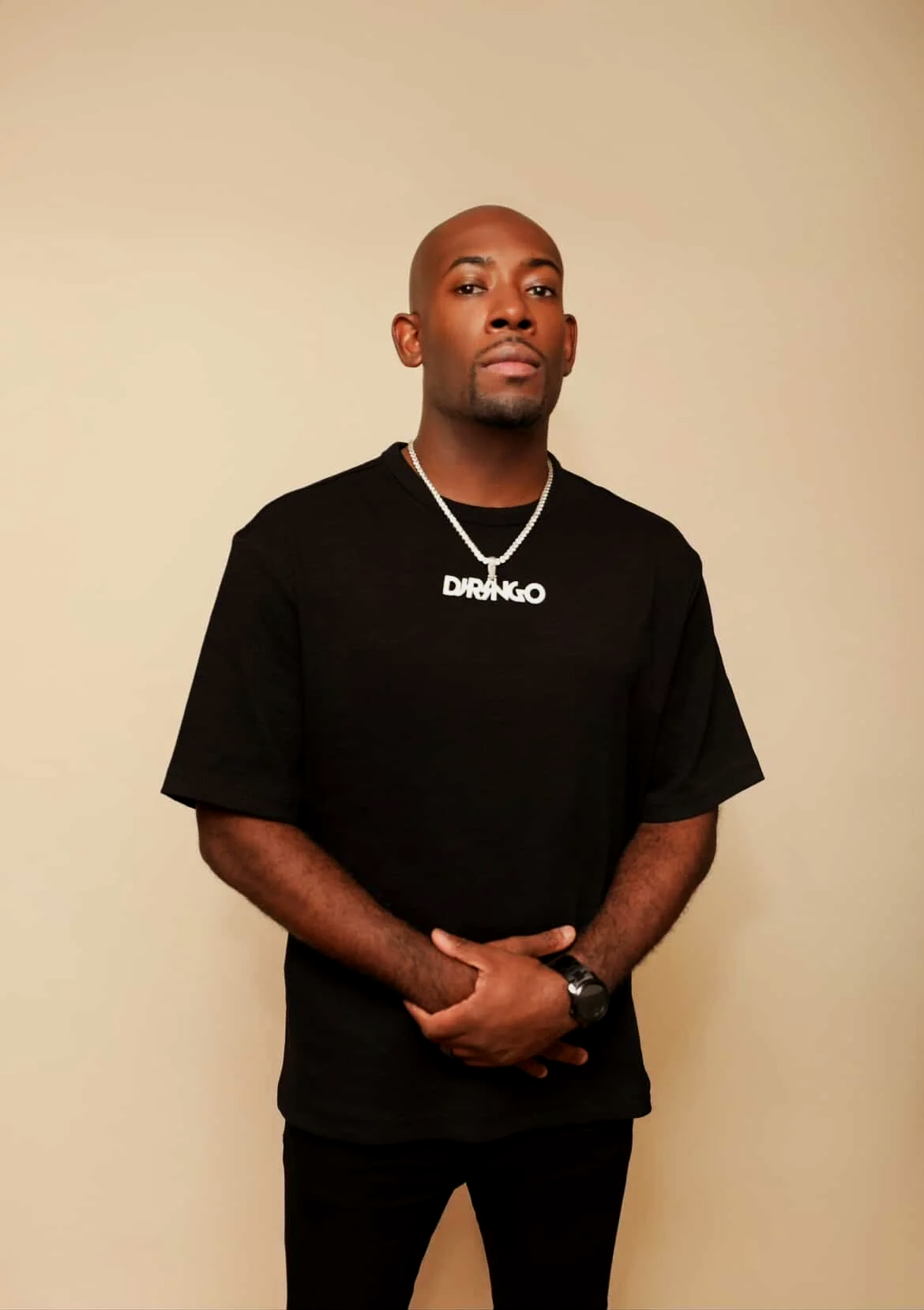
@djringochicago
DJ Ringo held the Caribbean room at BLISS on Saturday — Reggae, Dancehall, Soca, Afrobeats at Wild Hare. The Caribbean throughline. The room that holds the soca and dancehall lineage on a weekend when everyone else is chasing the festival circuit.
DJ Mamzy Dj’ed Gbeduverse Friday at Icon Bar and curated Sounds of SoL Saturday. Kompa in the rotation at Sounds of SoL — that's a Haitian sound in an Afro day-party context, the diaspora detail every other room skips. The selector who put it there knew exactly what they were doing.
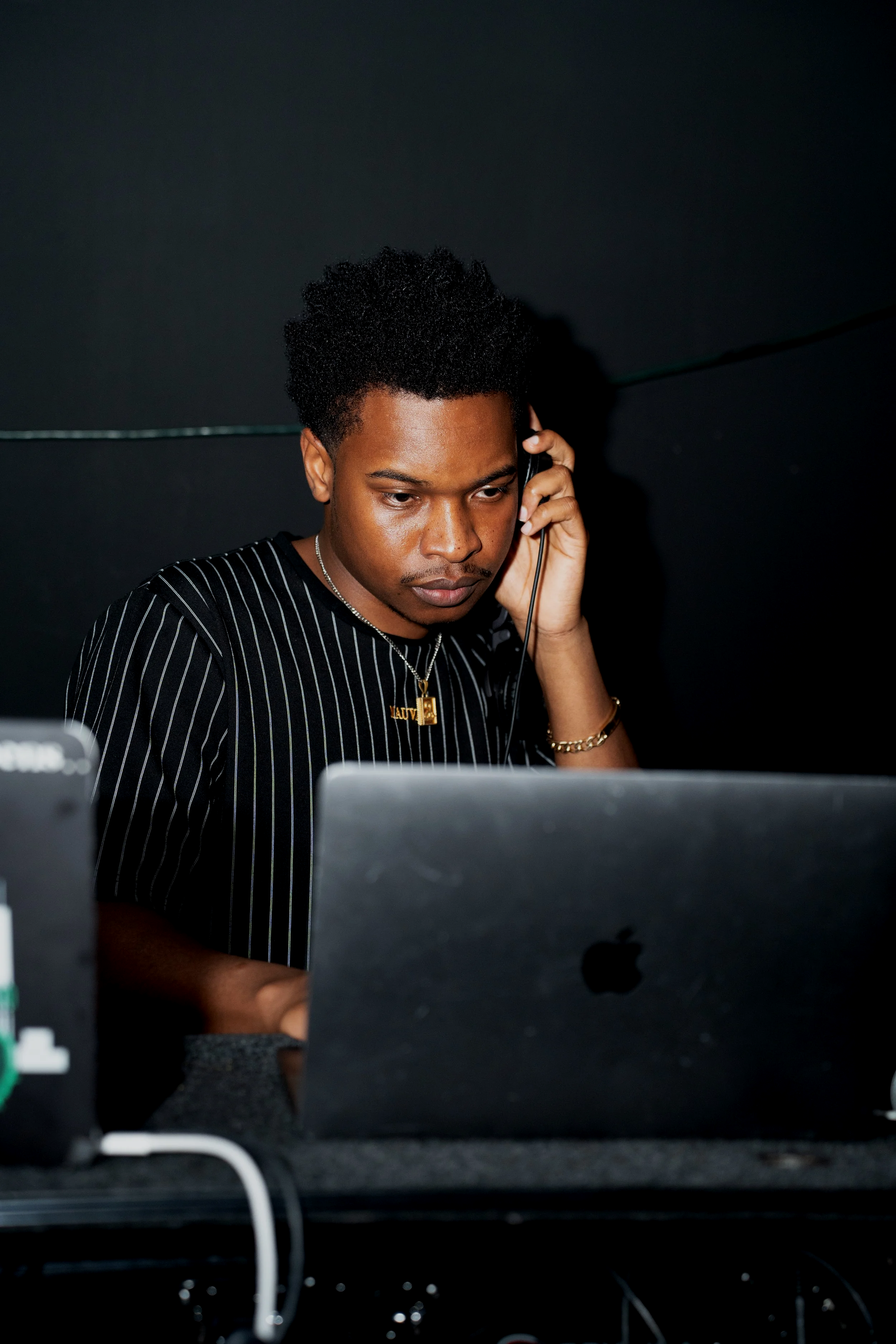
@djmattymontana
DJ Matty Montana bridged Groovin' for Good on Saturday afternoon, Masada on Saturday night and Carte Blanche on Sunday — the fundraiser-to-rooftop arc.
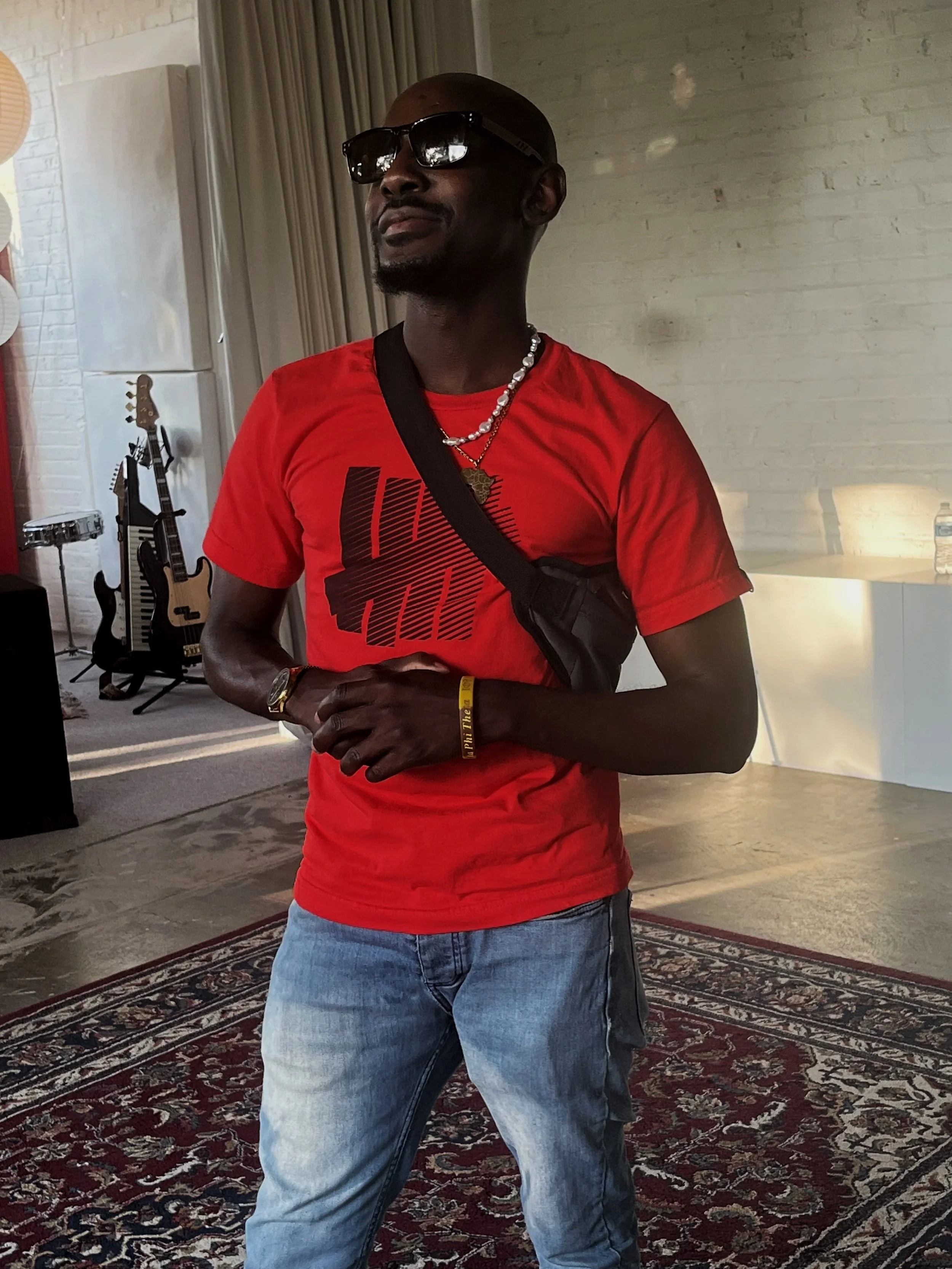
@actiivade
Actiiv Ade was behind the decks at Groovin' for Good Saturday and hosting the table Monday. Fundraiser to communal meal. That's the arc this platform was built to run.
The Chicago Afro-diaspora nightlife economy is built on a small bench of selectors with deep residency lines and range across room types. Hillery Banks at a festival stage and a rooftop in one day is not unusual, it is the model.
IV — The Promoter Class
The rooms exist because someone built them. Three actors made Memorial Day Weekend 2026 what it was.
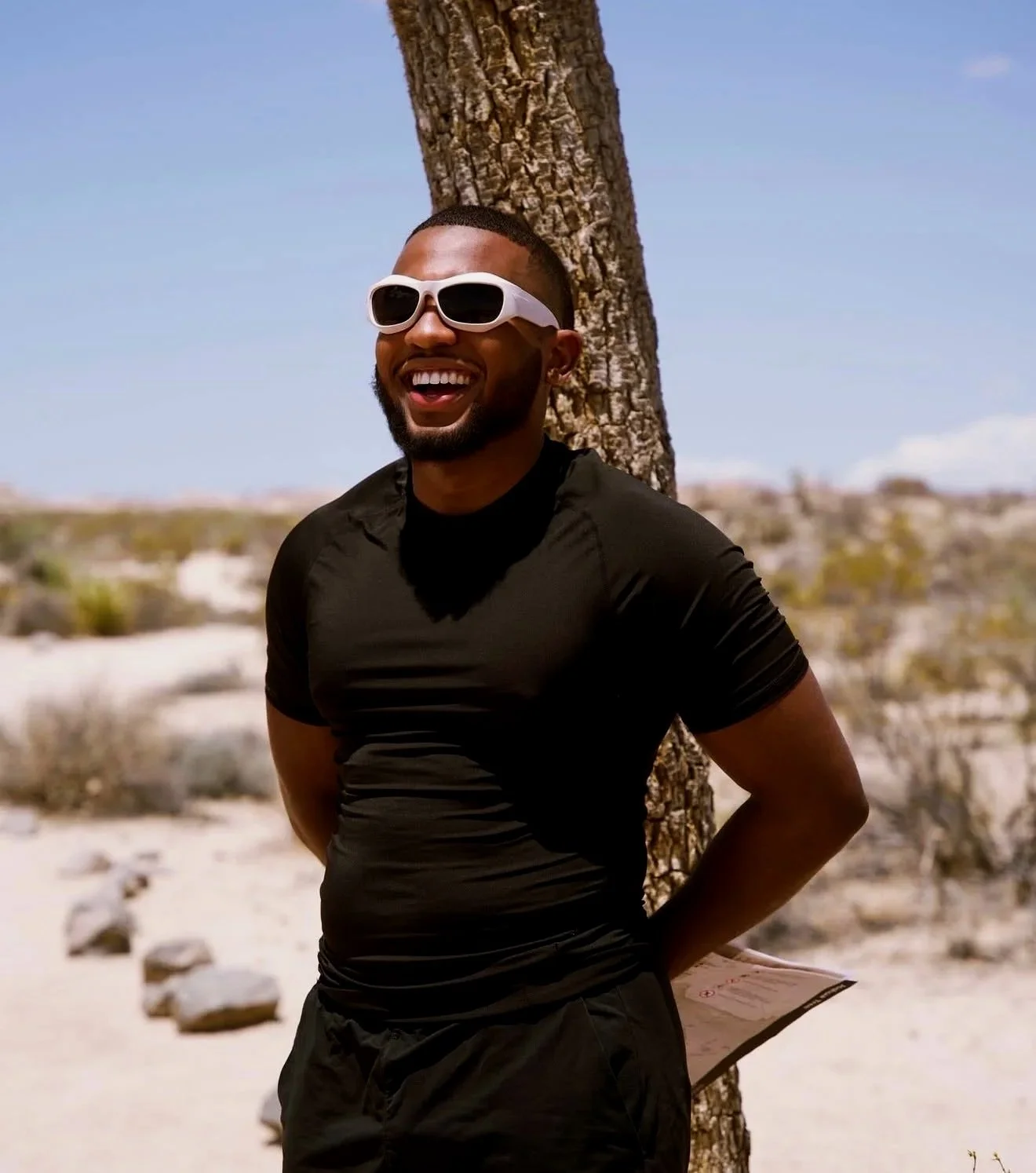
@vicfrags
CuratedByFrags ran two stages three days apart. Into the Gbeduverse at Icon Bar on Friday. Carte Blanche at Azul Rooftop on Sunday. Same promoter, different rooms, different audiences, different energies — Gbeduverse is Peak, Carte Blanche is Return. The "Sundays just got an upgrade" line that Frags has been putting in his posts is not marketing. It's a claim on a new recurring slot. He is building a Chicago Sunday.
AFROHEAT × FAAJI HOUSE did not run an MDW event. They did not need to. The week before Memorial Day they moved Heat and Jealousy 2 to Millionaire Mansion at 1000 capacity with a full live band — talking drummer, saxophone, drums, guitar over the decks and sold it out. DJ Faaji, Nosike, Dusse on the sets. The temperature they set the week before MDW shaped what MDW felt like. That's how infrastructure works.
Forever Mine is the biggest bet of the spring. A brand-new major Black music festival in a city that hasn't had one in years. Two days, Union Park, headliners with real pull, a Warehouse stage that understood what it was doing. The team behind it, the Strength of a Woman festival producers, treated Chicago as worth a serious investment. The weekend's first edition didn't just succeed. It established a template.
“The weekend’s biggest story isn’t who played. It’s who built the rooms and they’ve been building all spring without anyone writing it down.”
V — The Soft Middle
Three rooms ran against the festival logic this weekend — no headliners, no festival scale, no commercial floor — and they were the ones with the clearest editorial position.
Sounds of SoL on Saturday ran Kompa in the rotation. Haitian sound in an Afro day-party context. Most rooms skip it, the audience doesn't always know it, and a selector who programs for familiarity leaves it out. DJ Mamzy put it in. That's a small decision with a large implication: this room is for the diaspora in full, not the parts of the diaspora that already have representation.
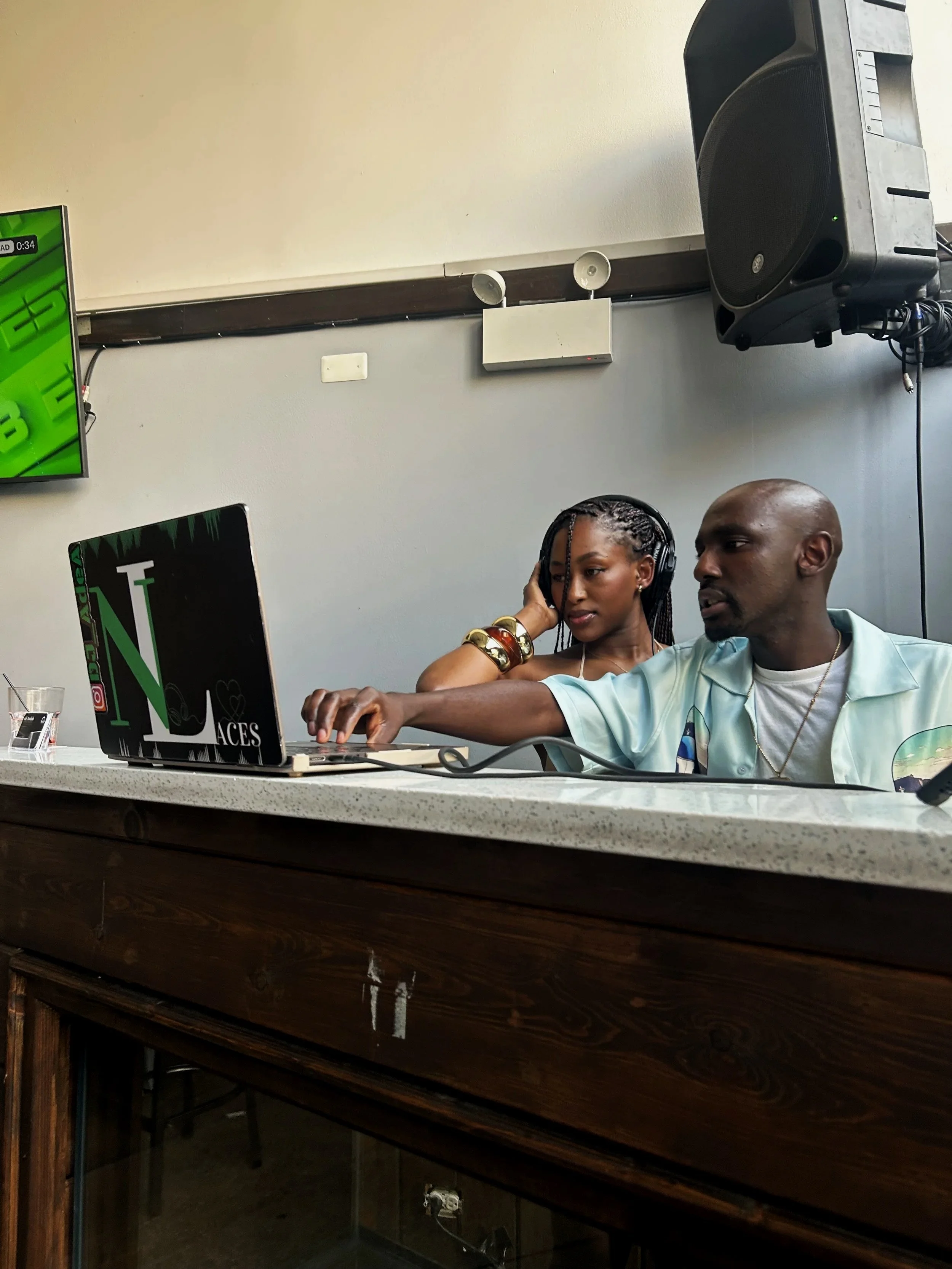
S!A - South African x Nigerian DJ Duo (Siine ! Actiiv Ade) at Groovin’ for Good. @actiivade, @sine.noc
Siine brings South African sonic DNA, Amapiano & gqom, the kind of rhythm that feels communal and spiritual. Actiive Ade brings the Nigerian edge, Afrobeats, the swagger, the storytelling energy. Together, they are a full West meets South conversation in real time through music.
Groovin' for Good raised money for Ubuntu Health Foundation, a South African public health organization, while running Afrobeats and Amapiano through a South Loop afternoon. The literal Afro-diaspora economic loop: Chicago Afrobeats funding South African public health. Actiiv Ade, Siine, Nkwamz, DJ Matty Montana on the decks. 3-Step in the rotation, Amapiano's next phase arriving in the set before anyone is calling it that publicly.
The Black Boy Art Show brought 150 Black male artists and somewhere between six and eight thousand people to 754 E Grand on Sunday afternoon. Painters, illustrators, photographers, designers, with DJs running through the rooms while people moved slowly and looked at things. Visual documentation of Black masculinity at festival scale, in daylight, without a cover charge in the same range as a club night. The DJ presence made it Connection-phase, the room was moving, but slowly. People were listening as they looked.
These three rooms weren't the loudest. They were the most intentional.
VI — Monday's Table
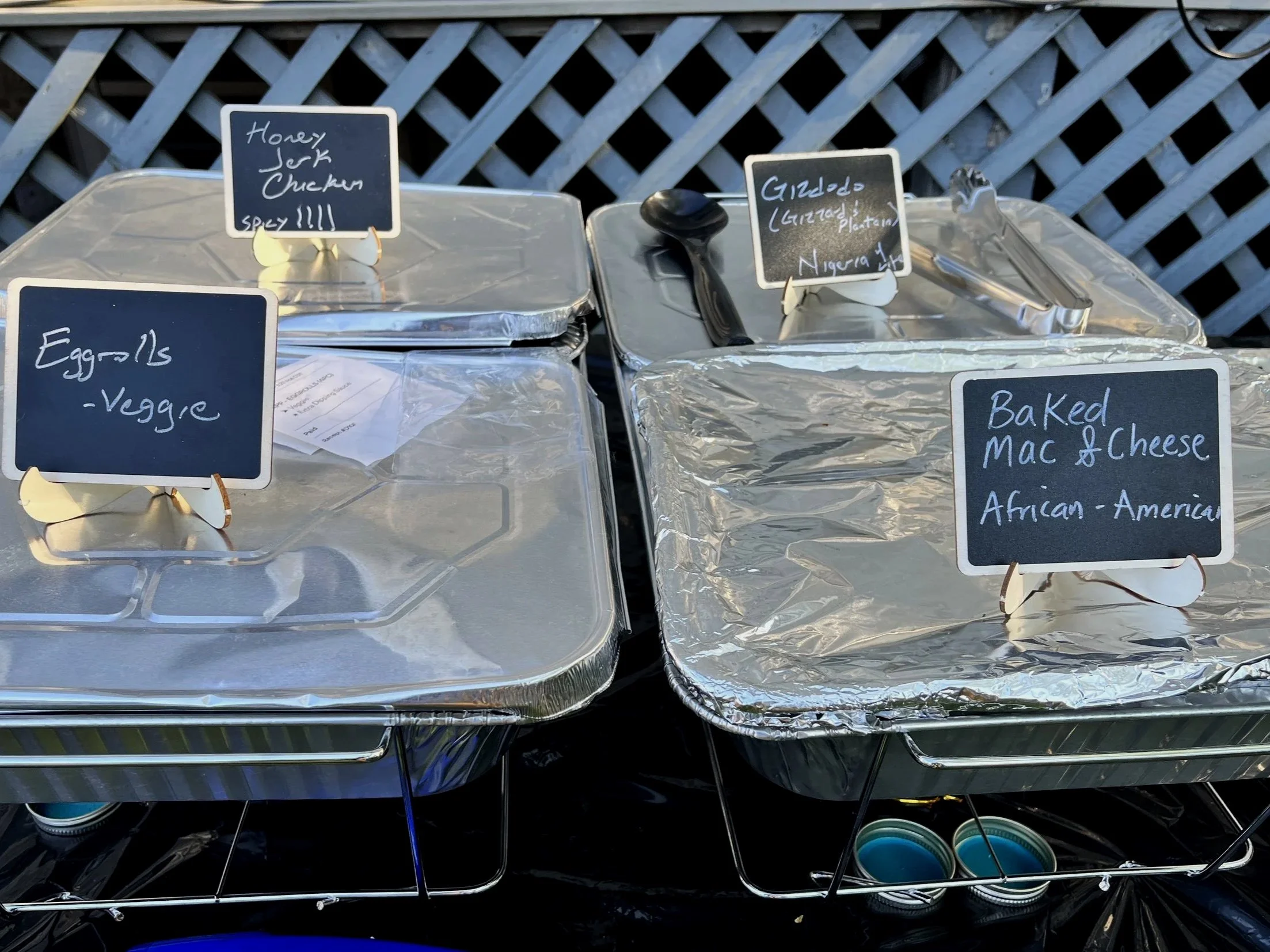
Table set for the Taste of the Diaspora.
Honey Jerk (Jamaican), Gizdodo (Nigerian), Baked Mac & Cheese (African-American), Eggrolls, Spring rolls (Ghanaian)
Every other room this weekend sold you the night. The cover charge, the drink minimum, the DJ as product, the crowd as atmosphere. It's how rooms stay open and promoters get paid. But it means every transaction in those rooms runs in one direction: money toward the house, experience toward the guest.
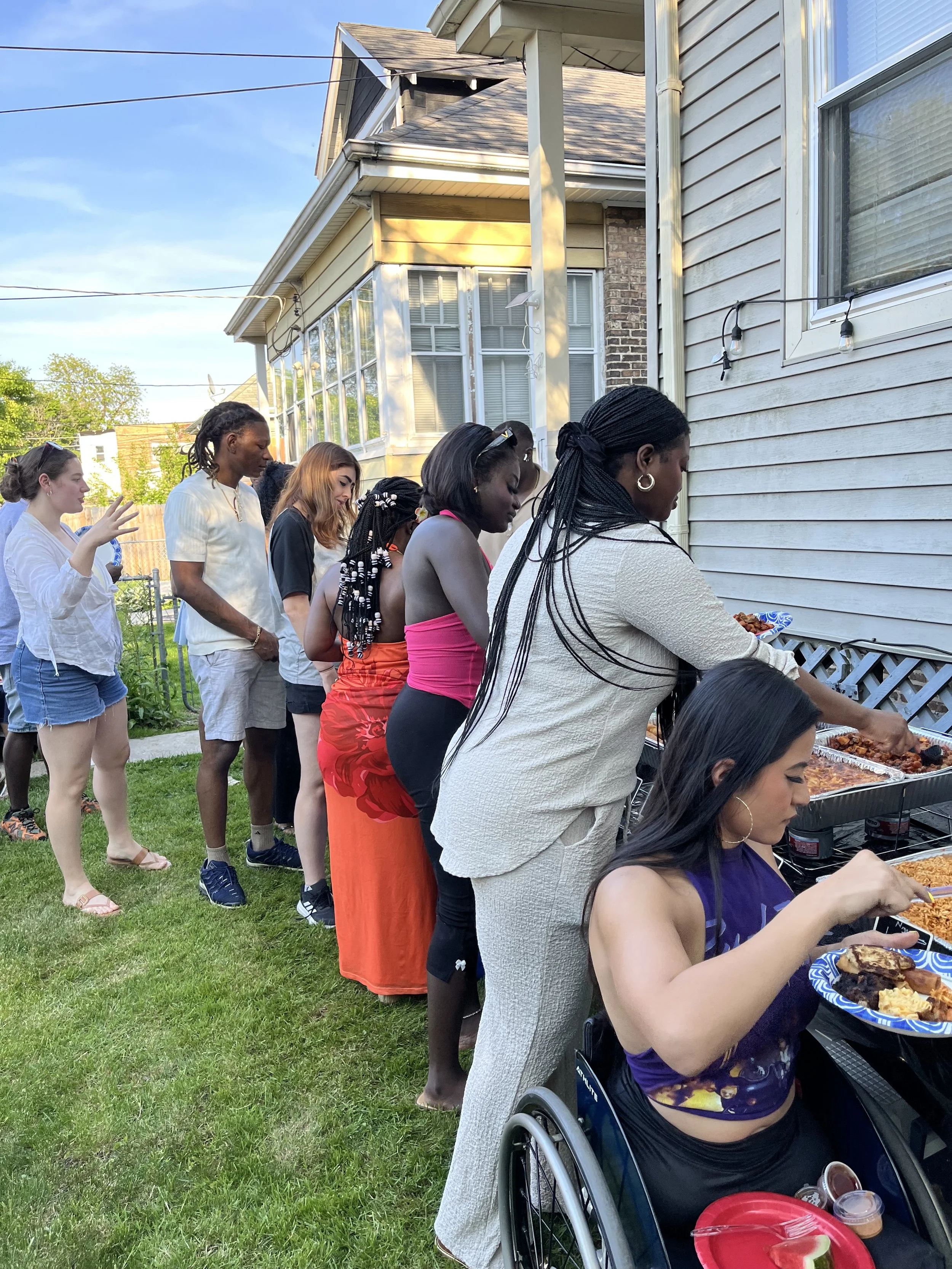
Communal table.
Monday's table ran in the opposite direction. You brought something. It went on the table. Everyone ate from it.
The room had people from Nigeria, Ghana, Ethiopia, South Africa, Mexico, and the American South. Each dish had a country of origin written on it, not for the guests, for the memory. So that when someone reached for something they didn't recognize, they could know where it came from.
The music was Return phase. Deliberate. Soft enough that you could hear the person next to you. Actiiv Ade & friends behind the decks, running the set at the tempo a closing argument deserves, not trying to extend the weekend, trying to land it.
By the time the third dish landed, nobody was checking their phone. By the end of the afternoon, people had exchanged numbers, made plans, eaten from each other's cultures, and stayed well past when they said they'd leave.
“We’ve been building a station that meets you before the night does. Monday we built the room that meets you when the night is over.”
That's the frequency. That's what NoLaces is for.
The record exists now.
— Actiiv Ade
NoLaces Radio · Chicago, IL
-
The Reading
- Jul 15, 2026 GROOVIN' FOR GOOD Jul 15, 2026
- Jul 4, 2026 The Reading · 30 Days Later — better known as, "Change Your Life" Jul 4, 2026
- Jun 10, 2026 Our Playlist Is Human, Too. Jun 10, 2026
-
The Record
- Jul 1, 2026 FREEDOM AT ANCHOR Jul 1, 2026
- Jun 2, 2026 BAD is a Pregame. Jun 2, 2026
- May 29, 2026 Nine Rooms, One Diaspora. May 29, 2026
